
To keep winning in 2026, Las Vegas businesses should make their business facts identical everywhere, publish short direct answers backed by structured data, and earn mentions on sites other than their own. Then they should track AI referrals and brand mentions alongside rankings. Vegas search engine optimization still depends on technical health, helpful content, and links, so add these changes on top of the basics instead of replacing them.
Make Your Business Facts Match Everywhere
AI Overviews and AI assistants answer questions like "is this place open right now" in a single response. They pull from your Google Business Profile, your website, directories, and reviews. When those sources disagree, the AI may pick the wrong one, or guess.
That risk is real. In July 2026, a Google AI Overview told searchers that a bakery in Ontario would permanently close, apparently after confusing it with a similarly named business in Illinois, as PinMeTo reported from CBC News. The owner could only ask Google to fix it afterward. The lesson for Las Vegas is to give AI systems clean data before they have to guess.
Start with a fact audit:
- Google Business Profile: Check your categories, services, service areas, attributes, photos, and website link.
- Hours: Update holiday, event-weekend, and late-night hours. Vegas searchers ask "open now" at 2 a.m., and a wrong answer costs you the visit.
- Name, address, and phone: Write them the same way on your site, social profiles, Apple Maps, Bing, Yelp, and industry directories.
- Reviews: Ask for them steadily and reply to them. Reviews often describe what you do in a customer's own words, which both people and AI tools use.
Pick one source of truth, such as a shared spreadsheet, and update every listing from it. Do this monthly, and any time something changes.
Publish Direct Answers, Then Mark Them Up
Searchers in Las Vegas ask practical questions. They want to know what a service costs, how fast you can arrive, whether you serve Henderson or Summerlin, and whether you take walk-ins. Your pages should answer those questions in the first sentence or two, then add detail below.
Write each answer in plain language that a person or an AI tool could quote without editing. Put the question in a heading, answer it in two to three sentences, and keep your name, location, and service in the text. A page that opens with a clear answer is easier for Google to feature and for assistants to cite.
Then make the page easy for machines to read. Add FAQ content where real customers ask real questions, and back it with structured data (schema markup). Use LocalBusiness schema on location and service pages, and make sure it matches your Google Business Profile. Structured data does not guarantee a citation, but it removes ambiguity about who you are and what you offer.
Focus on the questions your sales team hears every week. They beat generic "ultimate guide" topics because they match how people actually phrase local and service searches.
Build Your Presence Beyond Your Own Website
AI tools do not rely on your site alone. They also weigh what the rest of the web says about you. That makes your local "entity" (the clear picture of who you are, where you operate, and what you are known for) matter more than before.
Strengthen it in places you do not control:
- Get listed in the directories and associations that fit your industry, from legal and marine to home services.
- Earn local press, sponsorships, event partnerships, and guest features with Las Vegas outlets.
- Keep your leadership and brand profiles consistent across LinkedIn, social channels, and review sites.
- Encourage customers to mention the specific service and neighborhood in their reviews.
Competition in this market is intense, and many Vegas businesses chase the same "near me" searches. Consistent mentions from credible local sources help set you apart from those that only polish their own pages.
Measure More Than Rankings
A first-page ranking tells you less than it used to. An AI Overview or assistant answer may satisfy the searcher before anyone clicks, so rankings alone can hide both losses and wins.
Add three measurements to your reporting:
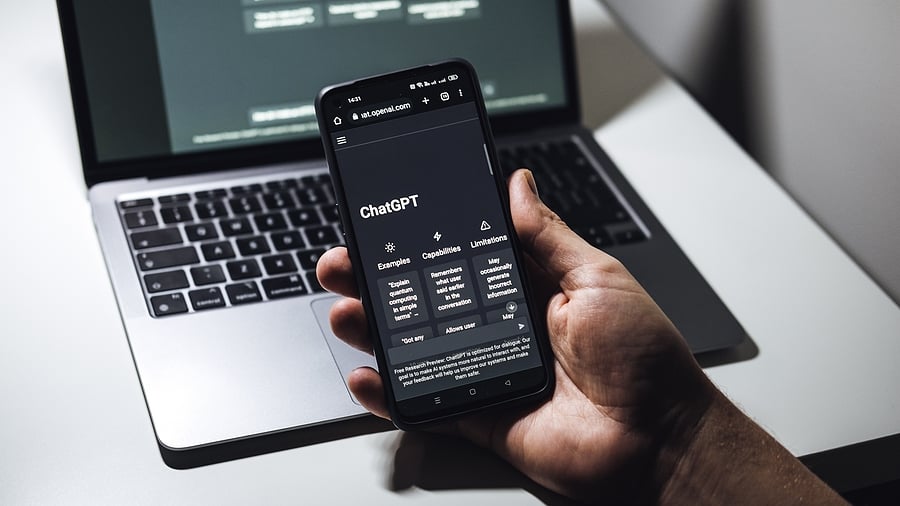
- AI referral traffic. In Google Analytics, filter sessions by referral source for tools such as ChatGPT, Perplexity, and Gemini, and watch whether those visitors call, submit forms, or book.
- Brand mentions in AI answers. Each month, ask the assistants your customers use the questions they would ask, such as "best [service] in Las Vegas." Record whether your business appears, how it is described, and whether the facts are right.
- Business outcomes. Track calls, form fills, and booked revenue. Traffic is only useful if it turns into customers.
Treat the prompt checks as directional, not exact, because AI answers vary from one session to the next. The trend over several months is what matters. ADTACK's SEO and AEO services combine this kind of tracking with ROI reporting, so you can see which changes lead to leads and not just impressions.
What Not to Change
Do not abandon the fundamentals. AI features draw on the same web that search engines crawl, so a slow, broken, or confusing site hurts you in both places.
Keep these in place:
- Technical health: Fast pages, mobile usability, clean crawling and indexing, and secure hosting.
- Helpful, original content: Real expertise, local examples, and clear service pages still earn trust.
- Links and authority: Quality links and mentions from relevant sites remain a strong signal.
- Local relevance: Location pages, neighborhood context, and accurate listings keep supporting "near me" visibility.
Avoid shortcuts as well. Do not stuff pages with questions you do not answer well, and do not publish thin AI-written pages in bulk. Those moves add noise without adding trust.
Key Takeaways
- Keep your Google Business Profile, hours, services, and contact details accurate and identical across every listing, especially for "open now" searches.
- Lead each page with a short, direct answer, and support it with FAQ content and schema markup that matches your listings.
- Build mentions, reviews, and profiles on credible sites beyond your own, so AI tools see consistent signals about your business.
- Track AI referral traffic and brand mentions in AI answers next to rankings, and tie both to calls, leads, and revenue.
- Do not drop technical SEO, helpful content, or link building, because they still support visibility everywhere.
FAQ
Is Vegas search engine optimization still worth it with AI search?
Yes. AI Overviews and assistants draw on the same web content, listings, and reviews that SEO improves. Businesses with strong sites, accurate listings, and credible mentions are more likely to be surfaced, whether the answer comes from a classic result or an AI summary.
What should a Las Vegas business fix first?
Fix your Google Business Profile and listing accuracy first. Check hours, categories, services, address, and phone number, and make sure they match your website and major directories. It is quick, inexpensive, and affects both map results and AI answers.
How do I know if AI tools are sending me traffic?
Check your analytics for referral sources such as ChatGPT, Perplexity, and Gemini, then see whether those visits convert. Also ask AI tools local questions about your services each month and note whether your business is mentioned and described correctly.
Do I need separate content for AI search?
Usually not. You need clearer content: direct answers near the top of the page, honest FAQs, consistent business details, and structured data. That helps people and AI tools alike.
Ready to adapt your local search strategy for 2026? Talk with the team at ADTACK Creative about SEO that connects to real leads, or call 702-270-8772 to get started.