
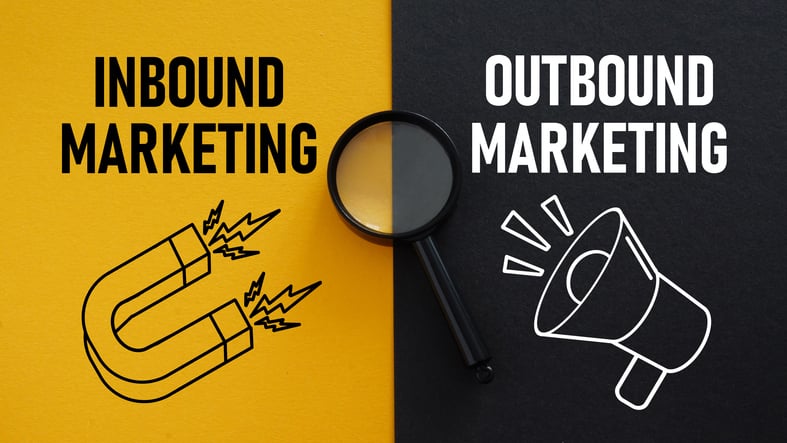
When allocating your digital budget, the debate usually comes down to one core question: inbound marketing vs outbound marketing. While both have their place, the 2026 digital landscape heavily favors one over the other.
Understanding the difference is critical to stopping budget bleed and building a sustainable revenue engine.
The Outbound Struggle: High Friction, Low Trust
Outbound marketing is traditional "interruptive" marketing. Think cold calling, purchased email lists, billboards, and generic TV commercials. You are pushing your message out to a massive audience, hoping a tiny fraction is ready to buy.
In 2026, outbound is facing a severe crisis. Consumers and B2B buyers have built massive walls to block interruptions—from ad-blockers to strict spam filters. Because it relies on volume rather than intent, outbound marketing often results in high friction, low conversion rates, and a diminishing ROI.
The Inbound Solution: Becoming the Answer
Inbound marketing is the strategy of pulling buyers toward your business by creating valuable content tailored to their specific problems. Instead of interrupting them, you position your brand as the expert they find when they start researching a solution.
By utilizing SEO and Answer Engine Optimization (AEO), informative blogs, and high-end video, inbound marketing builds E-E-A-T (Experience, Expertise, Authoritativeness, and Trustworthiness).
When evaluating inbound marketing vs outbound marketing, inbound is the clear winner for long-term equity. At ADTACK Creative, we build inbound machines. We use platforms like HubSpot to capture high-intent inbound traffic, automate the follow-up process, and deliver qualified leads directly to your sales team.
Ready to stop chasing leads and start attracting them? Contact ADTACK to Build Your Inbound Strategy.